Technical Parameters to Consider When Installing Melt Pumps
Key technical parameters to consider when installing melt pumps include the following:
Melt Viscosity: Ensure the pump's viscosity range covers the actual melt viscosity encountered in production. While most melt pumps have a broad viscosity range, specific models may have optimal viscosity limits.
Temperature and Pressure: The pump's operating temperature and pressure must meet production requirements. For example, some melt pumps can operate at temperatures up to 400°C and discharge pressures up to 40 MPa. During installation, verify that the pump body, seals, and other components can withstand the high temperatures and pressures encountered in actual operation.
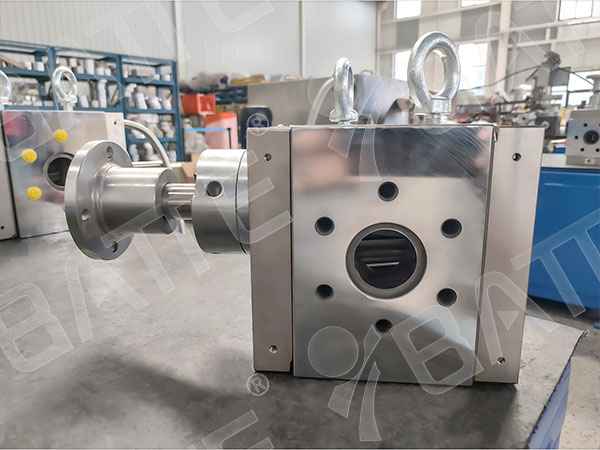
Flow and Pressure Adjustment: Melt pump flow and pressure can be adjusted via methods such as variable frequency speed control. During installation, consider how to integrate the pump into the control system to achieve precise flow and pressure regulation.
Pump Body Material: Key components like the pump body and gear shaft must be made of materials resistant to corrosion and wear. Common materials include alloy steel and nitrided tool steel. During installation, verify that the material meets the production environment's requirements.
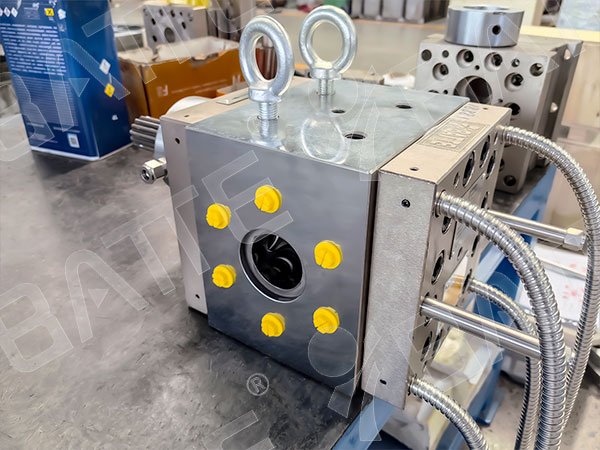
Sealing Method: Melt pumps utilize various sealing methods, such as packing seals and spiral seals. During installation, ensure seals are correctly installed to prevent melt leakage. Additionally, for pumps using packing seals, periodically adjust the packing gland position to maintain optimal sealing performance.
Installation Location and Method: Melt pumps can be directly mounted on extruders or installed within melt piping. During installation, consider the inlet and outlet directions of the pump body to ensure alignment with the actual production process. Additionally, ensure the pump body is installed on a level, stable surface to minimize vibration and noise.
Email: sale@meltpump.com
WhatsApp: +86 158 3833 1071